
Bitcoin's Resilience Amid Geopolitical Tensions and Legislative Developments
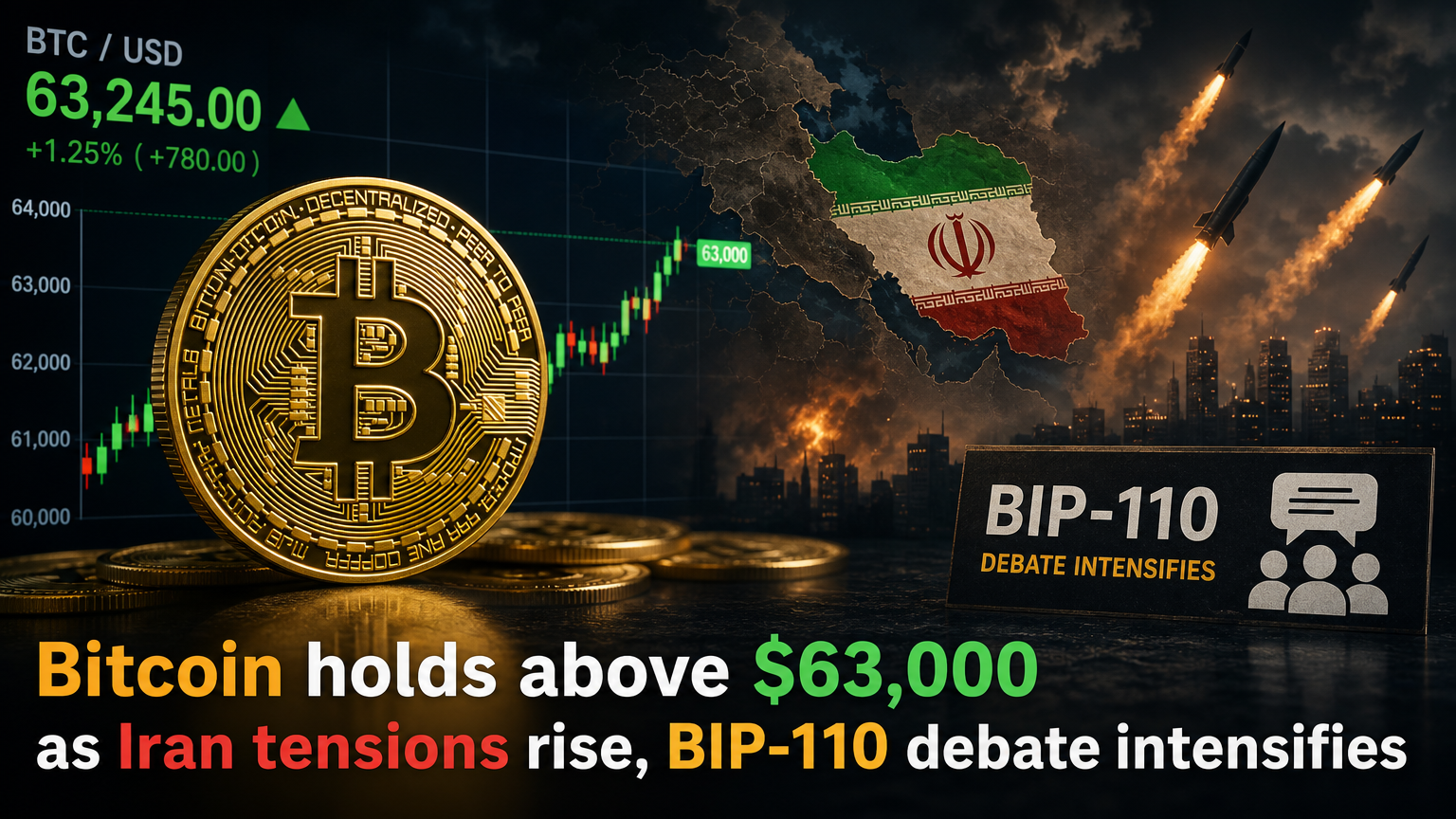
Over the past weekend, Bitcoin weathered a storm of geopolitical and regulatory challenges, trading robustly above the $63,000 mark. Despite the escalated conflict in Iran, ongoing debates over blockchain governance, and an intensified push for U.S. digital asset legislation, Bitcoin demonstrated remarkable resilience. As of 04:56 ET (08:56 GMT), the leading cryptocurrency recorded a slight decline of only 0.42%, valued at $63,984.1.
Bitcoin's Stability Amid the Iran Conflict
In recent events, the United States conducted a third series of strikes targeting Iranian military bases, provoking Tehran to once again declare the closure of the Strait of Hormuz. Such geopolitical tensions typically cast a shadow over global energy markets. Yet, Bitcoin appeared unfazed, maintaining stability throughout the crisis. Unlike traditional financial markets—closed over the weekend—Bitcoin served as a pivotal liquid asset, reflecting and pricing geopolitical movements. Investors remain vigilant, anticipating the reopening of oil markets to examine potential impacts of the elevated conflict on crude oil pricing.
Focus Shifts to U.S. Congressional Developments
As geopolitical issues unfold, the focus shifts to Washington, where Senator Cynthia Lummis has been vocal in pushing Congress to advance the CLARITY Act. The senator highlighted the urgency of the current legislative session as a prime opportunity to shape a comprehensive digital asset regulatory framework before the decade concludes. Having already passed the House, the CLARITY Act proposes clear delineation of oversight between the Securities and Exchange Commission (SEC) and the Commodity Futures Trading Commission (CFTC). This legislative clarity aims to foster a robust regulatory environment for digital assets in the United States.
Debate Over Bitcoin's Blockchain Rules
Meanwhile, within the Bitcoin developer community, discussions revolve around BIP-110, a proposal designed to temporarily restrict non-financial data storage on the blockchain. Currently, support for the proposal remains tepid, with backing from major mining pools trailing below 1%. Prominent Bitcoin figures, including Michael Saylor and Adam Back, have expressed concerns that alterations to Bitcoin’s consensus rules could pose significant long-term risks, potentially outweighing the benefits of addressing blockchain "spam." Current indicators suggest that BIP-110 lacks sufficient support to be enacted.
Singapore's Public-Private Partnership Against Crypto Scams
In a separate development, Singapore has illustrated the efficacy of cooperation between regulators and the crypto industry. A collaborative six-week operation involving police and seven cryptocurrency exchanges, including Coinbase, successfully thwarted over $4.2 million in potential scam losses. Leveraging blockchain analytics, authorities identified more than 145 potential victims before the completion of fund transfers, underscoring the critical role of public-private partnerships in fortifying trust and security within the digital asset ecosystem.
Conclusion
In summary, Bitcoin’s ability to maintain stability amid heightened geopolitical tensions and evolving legislative landscapes further solidifies its position as a resilient asset in the global financial ecosystem. As the narrative around digital assets and blockchain technology continues to evolve, market participants, regulators, and developers must navigate these changes collaboratively to ensure the sustained growth and integrity of the crypto industry.