
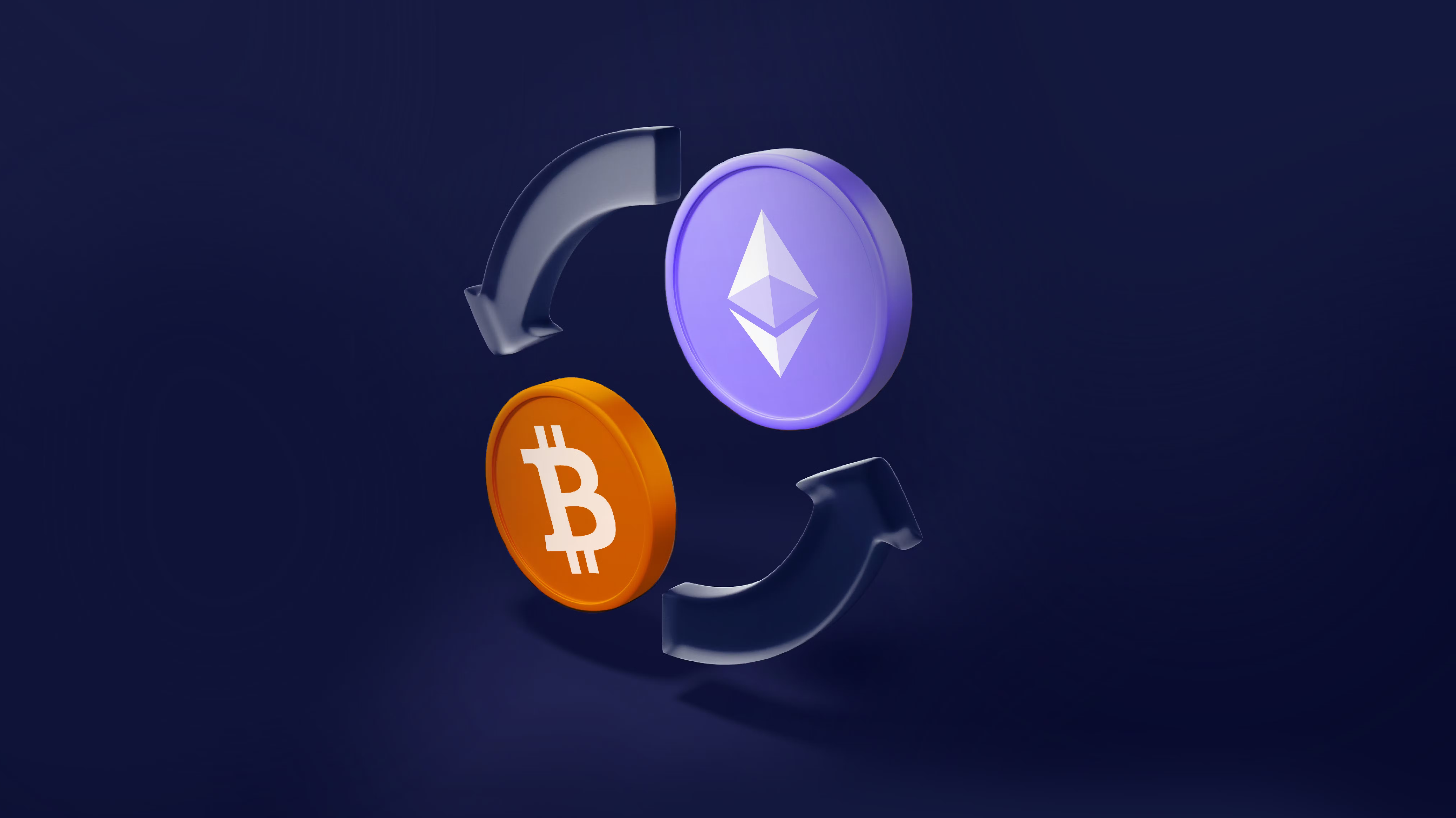
Understanding the Privacy Paradox in Cryptocurrency Transactions
The digital landscape of cryptocurrencies, once heralded as the bastion of financial privacy, is facing scrutiny as users realize that their transactions can reveal more about them than anticipated. Each transaction can divulge individual habits, preferences, and financial behaviors. While cryptocurrencies were marketed as private, most networks lack true opaqueness. This paradox highlights the pressing need for solutions that can restore anonymity to user transactions. The rise of anonymous crypto exchanges signifies an increased awareness and demand for privacy in digital asset transactions in the modern age.
Decoding the Growing Chaos in Online Trails
Every cryptocurrency wallet leaves a digital footprint that can be traced using blockchain explorers and forensic tools. Governments, corporations, and even hackers are increasingly vigilant, monitoring these digital trails for various purposes. As the realization dawns on users that genuine financial privacy is becoming a rarity without adequate safeguards, the appeal of platforms marketed as anonymous crypto exchange alternatives grows. These platforms promise a more secure trading environment by mitigating the risks associated with digital tracking.
Challenges in Face-to-Face Transactions and Verification Requirements
Traditional centralized platforms operate under strict regulations, necessitating identity checks, document submissions, and activity monitoring. Although these measures are designed to prevent fraud, they also significantly impact user confidentiality. For many traders, repeatedly sharing personal information online is unsettling. Consequently, attention has shifted toward approaches that allow individuals to conduct transactions with privacy-oriented cryptocurrencies like Monero (XMR) without Know Your Customer (KYC) requirements, maintaining anonymity.
Monero: A Champion for Privacy-Centered Trading
Monero stands out among cryptocurrencies due to its inherent privacy features. Utilizing ring signatures, stealth addresses, and confidential transactions, Monero effectively conceals the identities of senders and receivers, as well as the transaction amounts. These privacy attributes make Monero an ideal choice for individuals who prioritize anonymity. As such, there is an increasing number of services allowing the transfer of XMR without KYC, preserving user privacy and identity security.
Operational Dynamics of Anonymous Platforms
Unlike centralized exchanges, privacy-oriented platforms minimize data harvesting and tend to avoid maintaining transaction history records. These platforms function primarily as direct swap services rather than custodial wallets that hold user funds. This operational model substantially reduces the risks of data breaches and surveillance. A reliable, anonymous exchange facilitating XMR transactions without KYC should uphold this trust-centric structure for its users.
Weighing the Pros and Cons of Privacy in Swaps
Platforms enabling the trading of XMR without KYC often offer enhanced confidentiality, quicker user onboarding, and reduced bureaucratic hurdles. However, the freedom afforded by such services demands responsibility. Users must employ secure wallets, utilize trusted websites, and practice vigilant transaction handling. While privacy tools safeguard identities, negligence in these practices can expose sensitive information, undermining the security of private transactions.
The Road Ahead for Decentralized and Private Exchanges
The future of cryptocurrency trading likely lies in privacy-respecting solutions. As users increasingly embrace speed, convenience, autonomy, control, and anonymity, innovations continue to enhance decentralized interchange mechanisms without sacrificing usability. The rising popularity of the anonymous crypto exchange model is indicative of a broader shift toward privacy-first financial ecosystems on a global scale.
Conclusion: Embracing Privacy in Digital Finance
As digital finance evolves, privacy concerns are reshaping how transactions occur within blockchain networks. Anonymity-focused platforms are attracting growing interest as more individuals seek efficiency and security in decentralized trading environments. For example, platforms like ghostswap.io exemplify how traders can explore privacy-enhancing swap options while understanding the responsibilities and best practices crucial for managing digital assets securely.
Related Items
Private Cryptocurrency Swaps, Traditional Exchange Verification