
The Emerging Paradigm Shift in Global Transaction Landscape
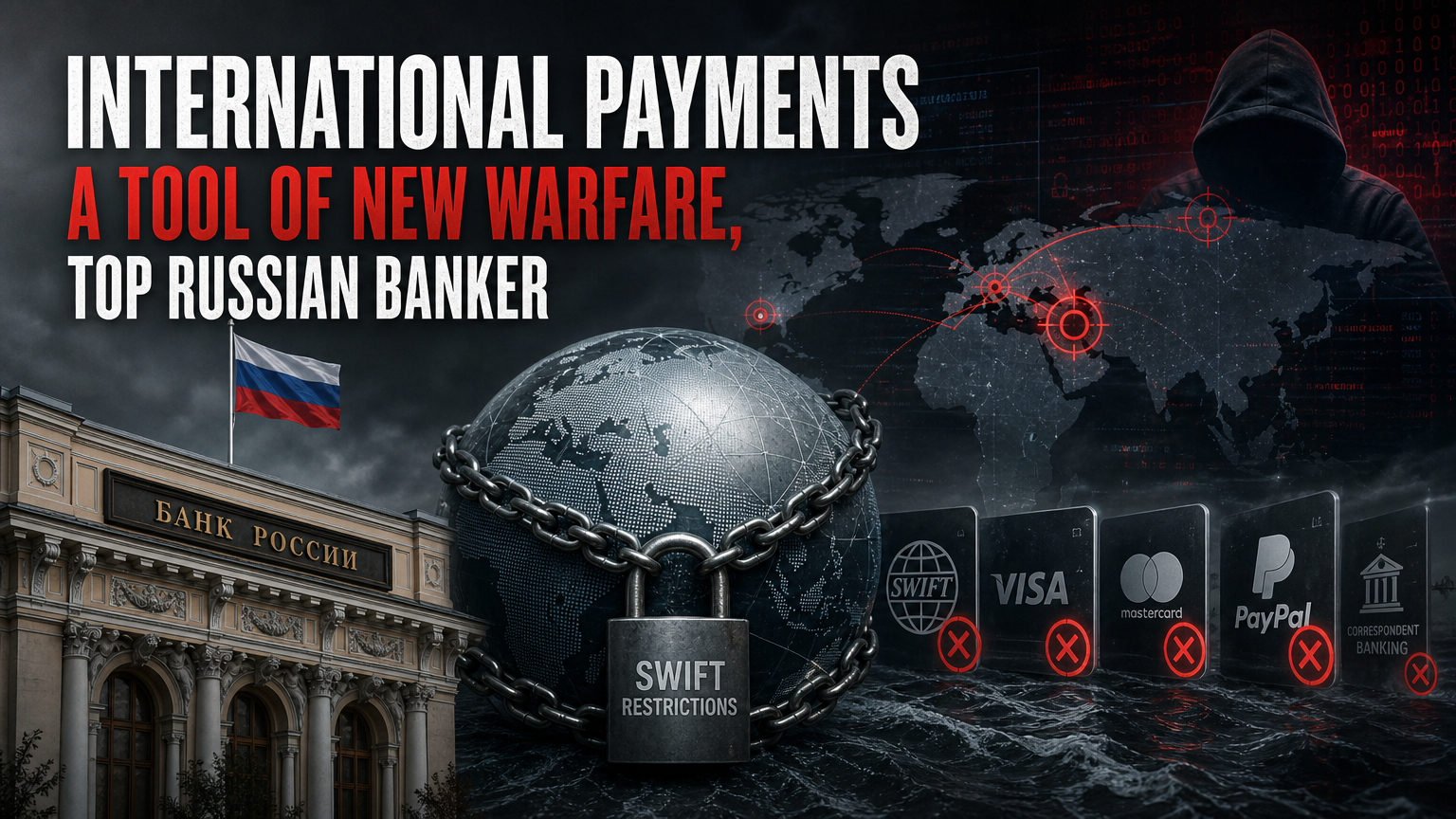
The global financial transaction landscape is undergoing a momentous transformation, breaking into multiple competing systems, as was outlined by Pyotr Fradkov, chairman of Russia's Promsvyazbank (PSB). This shift carries significant implications for international trade and finance, fundamentally altering how countries approach cross-border payments and economic partnerships.
Cross-Border Payments: A Tool of Modern Economic Warfare
In an era where geopolitical tensions influence economic policies, cross-border payments have emerged as a strategic tool in what Pyotr Fradkov describes as "new warfare." With countries increasingly seeking to insulate their international trade from external pressures, the role of payments in the geopolitical arena has never been more pronounced. This development is driven by a convergence of factors, including the need to circumvent economic sanctions and the desire to mitigate dependency on dominant currencies such as the US dollar.
Russia's Transition Away from Western Financial Dominance
The transition within Russia’s financial ecosystem has been catalyzed by the geopolitical ramifications that followed the Ukraine conflict in 2022, coupled with unprecedented sanctions from the US and EU, and the freezing of Russian sovereign assets abroad. This combination of factors has propelled Russia to accelerate its departure from a Western-centric financial framework, aspiring for a system that diminishes dependency on foreign control and influence.
Emergence of Alternative Payment Mechanisms
In his discussion with RBK, Pyotr Fradkov emphasized that despite the world remaining largely tethered to the "existing paradigm of the global payment system," alternative mechanisms are burgeoning. These mechanisms promise to redefine the operational dynamics of global payments, introducing novel systems such as Russia's A7 cross-border payment system and China's CIPS network. Additionally, the increasing adoption of stablecoins marks a significant shift in facilitating international transactions.
The Evolving Structure of Payment Frameworks
Fradkov proposed a vision for a modern payment system that integrates traditional banking, digital assets, and stablecoins. This system shouldn’t merely be reactionary—designed to sidestep existing constraints— but should establish itself as a pioneering framework with the capability to compete on the international stage. While stablecoins present exciting possibilities, Fradkov cautioned against viewing them as permanent fixtures, given their linkage to the economic and compliance architectures of their peg nations, such as the US in the case of USDT.
Russia's Strategic Financial Adaptations
Highlighting the shifts underway, Russian Prime Minister Mikhail Mishustin noted that by 2025, national currencies would account for 85% of Russia’s foreign trade transactions, with the ruble increasingly integrated into over half of these dealings. Further consolidating its financial autonomy, Russia has enhanced its Mir national card system and legalized cryptocurrency trading for facilitating foreign operations. These moves signify Russia's strategic maneuvering to fortify its economic sovereignty and ensure resilience against external economic pressures.
Conclusion: Navigating the Road Ahead
The fragmentation of global transaction systems represents a profound shift in the global economic landscape. As countries continue to explore and implement alternative payment frameworks, the international financial order is likely to become more decentralized, with nations and alliances creating bespoke systems that better align with their economic interests and security objectives. This evolution will necessitate a dynamic approach to international finance—one that is flexible, adaptive, and resilient in the face of changing global dynamics.