
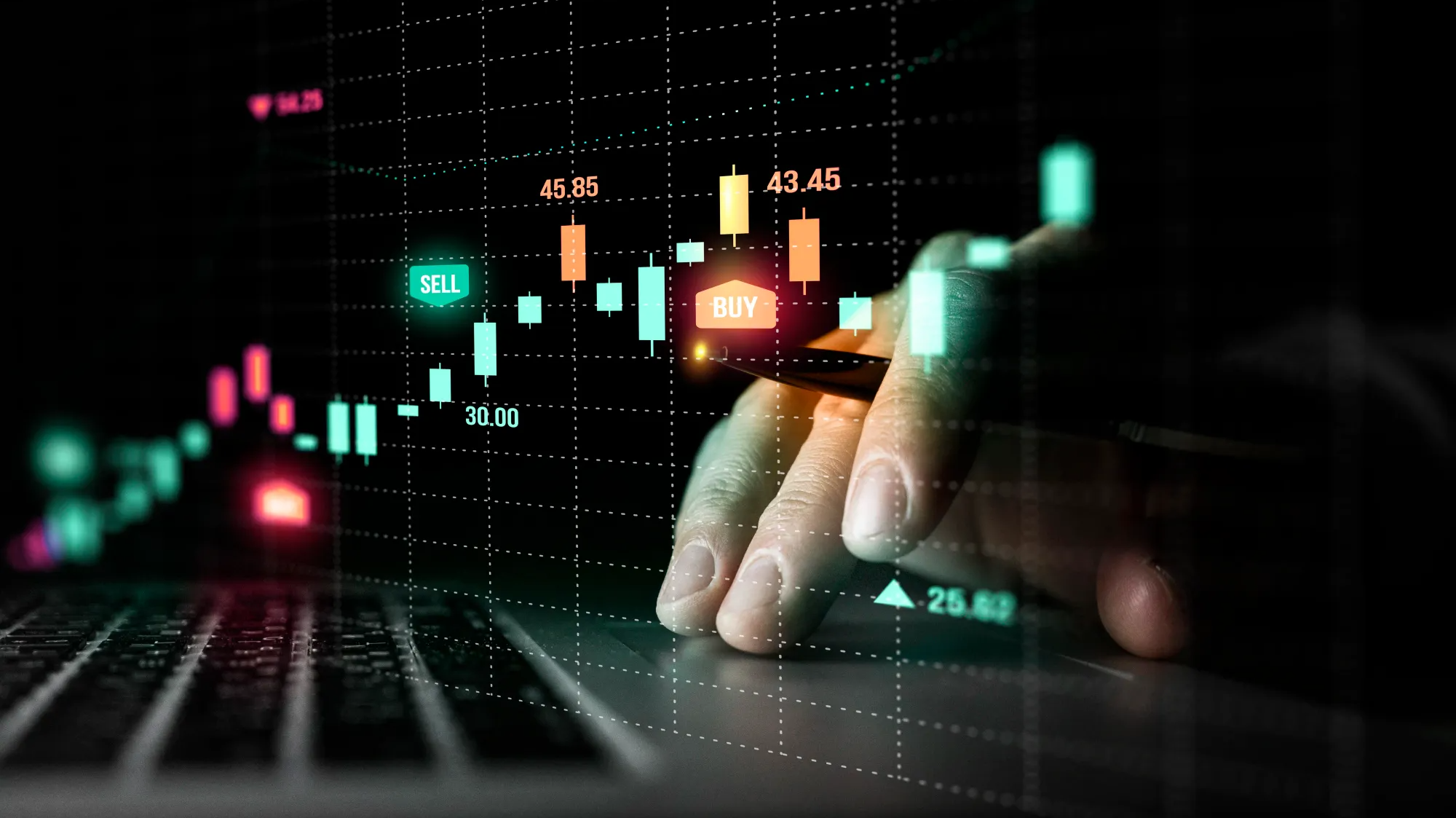
In the intricate web of global finance, few sectors are as captivating and dynamic as commodity trading. From grains to precious metals, from energy resources to exotic raw materials, commodities play a pivotal role in economies worldwide, driving trade, investment, and even geopolitical strategies. But what exactly is commodity trading, and how does it shape the world we live in?
Understanding Commodity Trading
Commodity trading involves the buying and selling of primary goods, typically raw materials or agricultural products. These goods are standardized and interchangeable with other goods of the same type. For example, a barrel of crude oil from one producer is essentially the same as a barrel from another producer.
The Players in the Game
Commodity trading attracts a diverse array of participants, ranging from farmers and miners to speculators and multinational corporations. Here's a brief overview of the key players:
1. Producers : These are the individuals or companies responsible for extracting or producing the commodities. They often use futures contracts to hedge against price fluctuations.
2. Consumers : On the other side of the spectrum are the consumers, who purchase commodities for consumption or use in manufacturing processes.
3. Traders : Acting as intermediaries, traders buy and sell commodities, aiming to profit from price discrepancies. They can be independent individuals, trading firms, or even investment banks.
4. Speculators : Speculators enter the market purely to profit from price movements, often without any intention of taking physical delivery of the commodity.
The Mechanics of Commodity Trading
Commodity trading can occur through various channels, including:
- Spot Markets : In spot markets, commodities are bought and sold for immediate delivery, typically within a few days or weeks.
- Futures Markets : Futures contracts allow traders to buy or sell commodities at a predetermined price on a specified date in the future. These contracts are traded on exchanges and serve as a tool for managing price risk.
- Options Markets : Options provide the holder with the right, but not the obligation, to buy or sell a commodity at a predetermined price within a specified period.
Influencing Factors
Numerous factors influence commodity prices, including:
1. Supply and Demand : The fundamental principles of supply and demand play a significant role. Natural disasters, geopolitical tensions, and technological advancements can all affect the balance between supply and demand.
2. Macroeconomic Indicators : Economic indicators such as GDP growth, inflation rates, and interest rates can impact commodity prices by influencing consumer behavior and investment decisions.
3. Currency Fluctuations : Since commodities are priced in currency, fluctuations in exchange rates can affect their affordability and demand.
4. Weather Conditions : Weather patterns can have a profound impact on agricultural commodities, affecting planting, harvesting, and yields.
Challenges and Risks
Despite its allure, commodity trading is not without its challenges and risks. Volatility, geopolitical instability, regulatory changes, and operational risks are just a few of the factors traders must contend with.
The Future of Commodity Trading
As technology continues to evolve, so too does the landscape of commodity trading. Advancements in data analytics, algorithmic trading, and blockchain technology are reshaping how commodities are bought, sold, and managed.
In conclusion, commodity trading is a multifaceted and ever-evolving domain that plays a crucial role in the global economy. Understanding its intricacies is key for anyone looking to navigate the complex world of finance and investment.